

Minti’s story is shared here as a past case study of an early-stage brand launch and go-to-market strategy.
When Dr. Onaedo Achebe decided to launch a brand in the oral care industry, she didn’t initially know where to start. What she did know was that there was a major gap in the market that wasn’t being addressed.
After graduating from NYU dental school, Dr. Achebe worked in various community health centers and VC-backed dental organizations. When COVID-19 hit, she was working at one of these VC-backed companies and was furloughed. That moment forced her to pause and think deeply about what she wanted to build next.
During her time in dentistry, she consistently heard similar feedback from patients and peers: people wanted elevated, clean ingredients in their oral care routines. At the time, the oral care industry largely ignored this demand, especially at an accessible price point.
That insight led her to create Minti, which was positioned as a sustainable and clean oral care brand for the next generation.
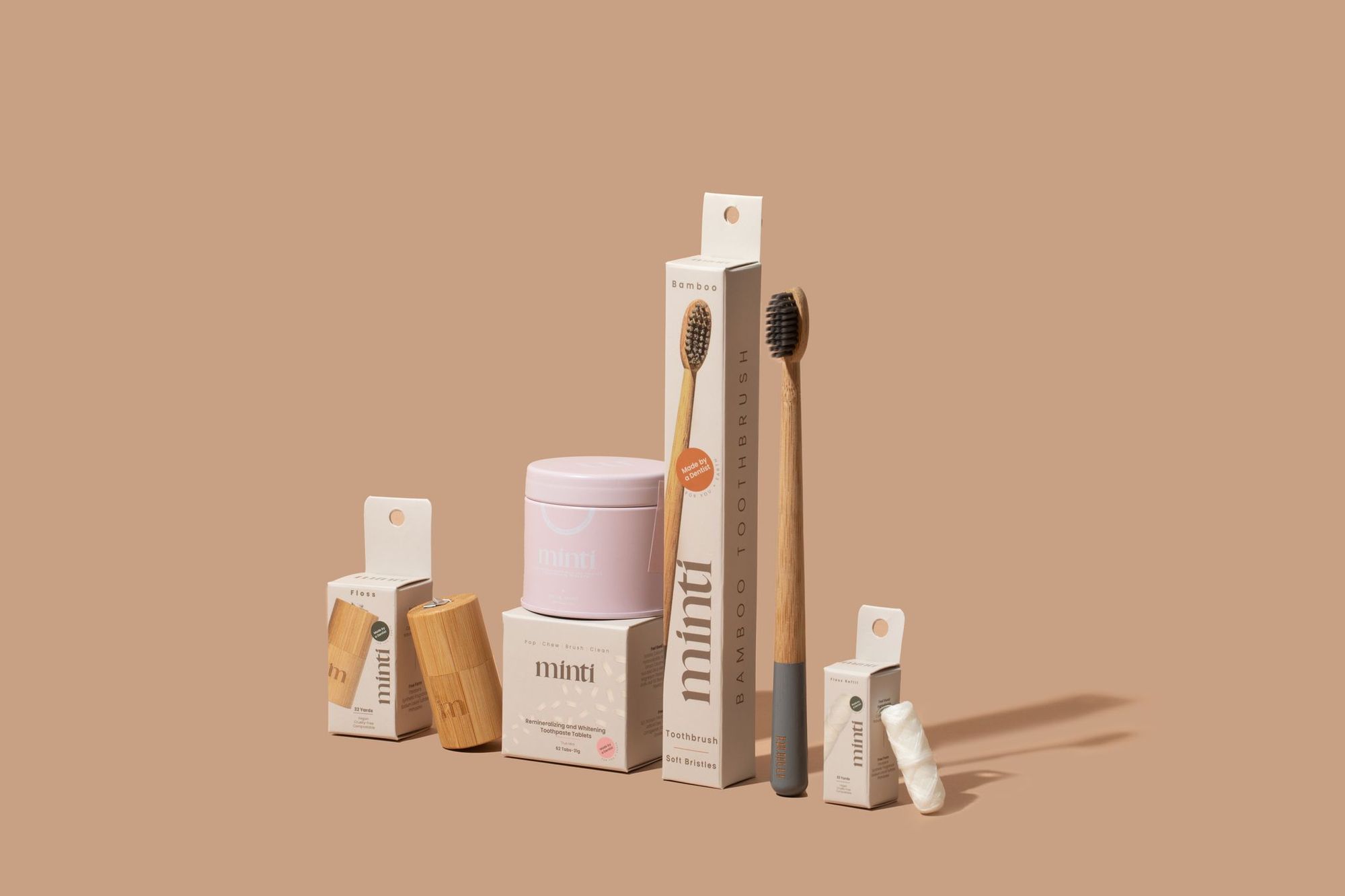
That insight led her to create Minti, which was positioned as a sustainable and clean oral care brand for the next generation.
Minti offered a line of toxin-free oral products, including:
- Toothbrushes with handles made from 100% compostable bamboo
- Floss made from all-natural corn fiber
- Paraben-free toothpaste
The oral care market has always been highly competitive, dominated by well-established brands. For a new company like Minti, standing out required a strong go-to-market (GTM) and customer acquisition strategy.
Well for starters, having a solid go-to-market (GTM) and customer acquisition strategy was key for them.

Just in case you’re unfamiliar, a go-to-market (GTM) strategy is a step-by-step plan for launching a new product or expanding an existing product into a new market. A good GTM strategy will help clarify and identify your problem, solution, target audience, marketing plan, and sales strategy.
Every GTM strategy isn’t the same and will vary for every entrepreneur.
Below is a breakdown of the steps Dr. Achebe followed when building Minti’s GTM strategy.
Step 1: Start with the problem
Minti was built around sustainability and access.
“There’s so much plastic waste in dentistry, and I wanted to change that,” Dr. Achebe shared in an interview.
She also saw firsthand how access to dental care varied dramatically based on insurance and socioeconomic status.
“At one practice, I saw patients who barely had any cavities, and at others I treated patients with serious oral issues. It wasn’t always about hygiene—it was about access to preventative care,” she explained.
Those experiences shaped Minti’s mission and product positioning.

Step 2: Create clear customer personas
Dr. Achebe built her customer personas with intention.
“All of my personas were women because women make about 80% of household purchasing decisions,” she explained. She created four detailed profiles outlining income, lifestyle, and work environment.
Her primary focus was on Millennial and Gen Z consumers, supported by research showing that a large percentage of younger buyers were more likely to switch products if they were sustainable and clean.
She also studied post-pandemic consumer behavior and noticed a shift toward “accessible luxury”—products that felt premium but remained affordable.
Diversity in branding was another priority.
She wanted Minti’s visuals and marketing to reflect real people and real smiles, something she felt was missing from traditional toothpaste advertising.

Step 3: Conduct market and competitive research
Like many first-time founders, Dr. Achebe had to learn the process from scratch.
She spent roughly 18 months researching the market, analyzing competitors, and building the MVP. The process was self-funded and intentionally slow so she could avoid costly mistakes and validate the concept.
This phase ensured Minti had a distinct positioning in a saturated market.
Step 4: Build a community before you launch
Before launching, Dr. Achebe built an Instagram community centered on celebrating diverse smiles.
She posted what she called a “smile gallery,” showing different types of teeth and smiles that challenged traditional beauty standards in dentistry. The account slowly grew an engaged audience.
At the same time, she built a landing page and email list.
When Minti eventually launched, there was already an audience waiting.
The initial customer acquisition strategy relied on:
- Instagram marketing
- Email marketing
- Direct-to-consumer sales
- A small number of paid ads

Step 5: Set clear, measurable goals
Behind every successful launch is a solid go-to-market strategy with clear objectives.
Setting concrete goals will give you clarity, help you move strategically, and will help you measure your progress. Without this, it’ll be difficult to determine if your GTM strategy is working or not.
For Minti, their objectives heavily focused on:
- Sales performance
- Customer behavior
- Conversion optimization
“Early on, one of our main priorities was studying customer behavior and getting feedback by sending out surveys. For us, it was important to learn where and how people buy toothpaste. Doing these surveys, we realized most people are not shopping for toothpaste, direct to consumer,” Dr. Achebe said. “Some people do, but a lot of people buy it as they're browsing in the store, buying other house products. This led us to pivot to an omnichannel distribution model.”

Step 6: Study customer behavior
For Minti, another priority was tracking customer behavior.
Dr. Achebe analyzed:
- Traffic sources (Instagram vs. Google)
- Cart abandonment rates
- Checkout friction (payment methods, shipping costs)
She discovered that offering free shipping on orders over $20 significantly increased conversions, especially because that price matched Minti’s product bundles.
This insight shaped pricing and packaging decisions.
“I tracked where our website visitors came from. I needed to know if they are coming from Instagram or a Google search. Also, tracking things like cart abandonment was important. Why did they abandon their purchase? Was it because we don't offer Apple Pay, or were they wanting to use things like Afterpay? Knowing the reason why people were leaving and figuring out how I could get them back was important,” Dr. Achebe said. “Also, upon coming back, would they purchase if we offered them free shipping? I ended up noticing that if we offered free shipping for purchases over $20 people would purchase. That’s the price of our trio, and that’s what people were really buying because it gave them free shipping.”
Step 7: Nurture customers through experience
Once you’ve launched and are getting your first round of customers, it’s important to nurture them and get feedback. Take time to learn about their buying experience, and figure out ways you can improve the entire buying journey.
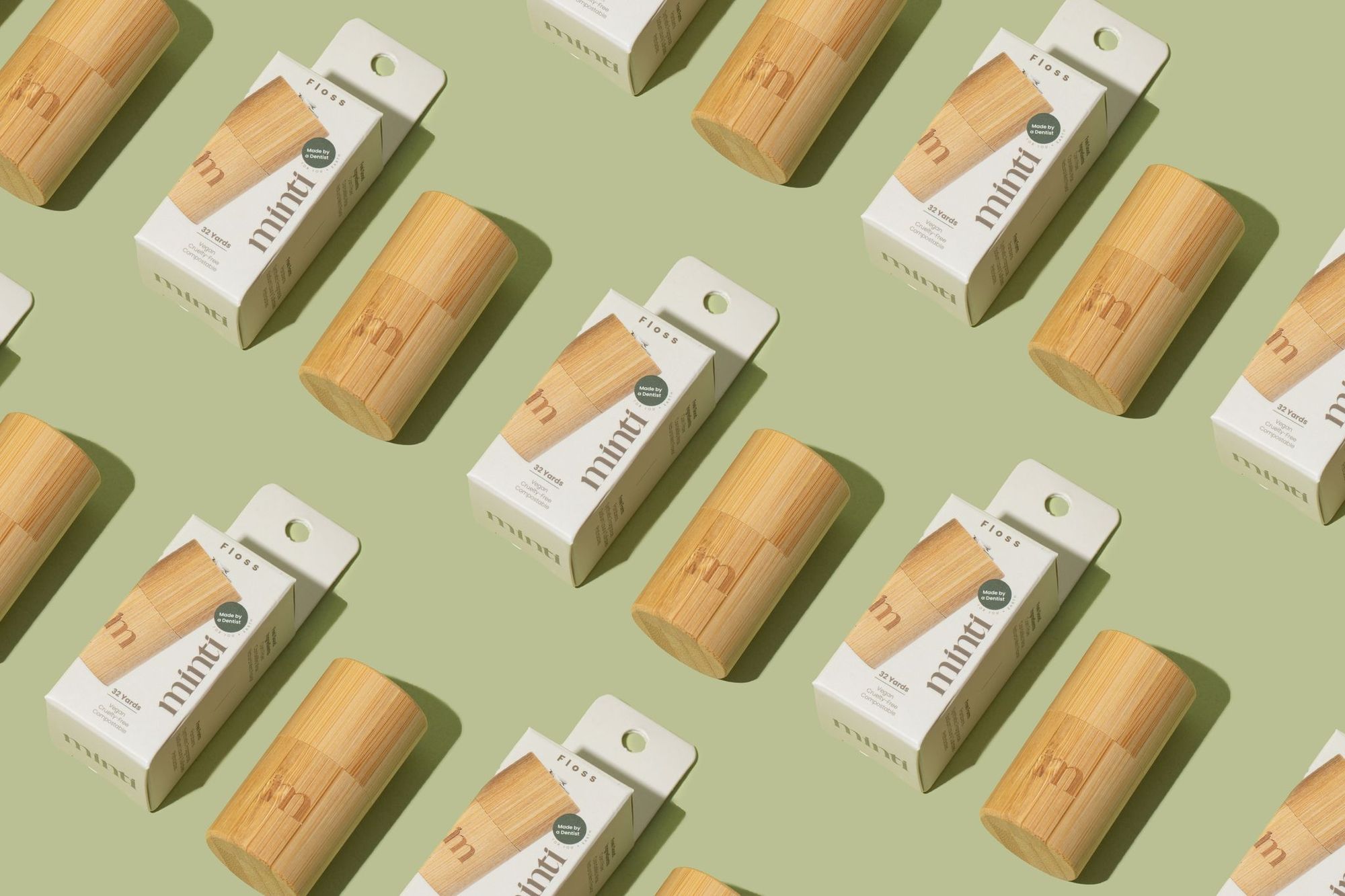
Customer experience was a major differentiator for Minti.
She emphasized:
- Thoughtful packaging
- Memorable unboxing
- Small “delighters” like sticker sheets
She believed customers should feel something special when opening their order, making the brand experience emotionally resonant, not just functional.
Minti’s journey serves as a strong example of how a mission-driven founder approached:
- Market validation
- Product positioning
- Community-led growth
- Data-driven optimization
Even though the brand and company are no longer actively operating, the go-to-market strategy behind Minti remains a valuable case study for founders building in competitive consumer categories.
This article is preserved as an educational resource on early-stage product launches, customer acquisition, and thoughtful brand building.
